MLDE have a proven track record in the design of civil engineering structures. The range of projects undertaken span from small scale domestic drainage schemes through to wind and water turbines or infrastructure for multi-million pound developments. Typical consultancy services provided on projects include:
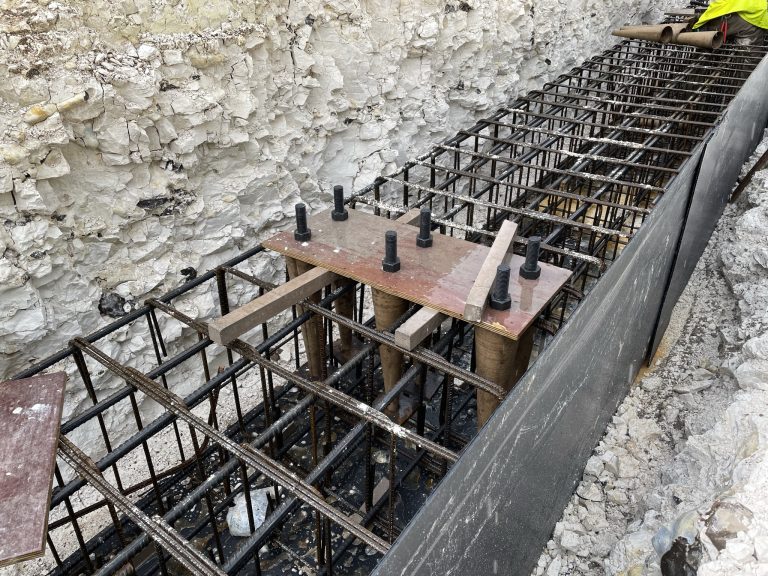
- Substructures, foundation design and underpinning: Raft slabs, strip footings (mass concrete or reinforced), piled foundations; Basement and cellar structures; Retaining walls
- Standard drainage systems or Sustainable Urban Drainage Systems: Soakaways; Attenuation ponds/reed bed; Culverts
- General reinforced concrete drawings and bar bending schedules
- Temporary works – read more below
- Hydro-electric turbines
- Storage tanks
- Environment agency (EA) applications for works near/in a watercourse
- Flood defence consents
- Flood risk assessments
Temporary Works
Temporary works are employed in a variety of civil and structural engineering projects to address the temporary conditions required to facilitate the safe construction of a permanent structure. In some situations these temporary measures can be integrated into the permanent works for efficiency.
MLDE can provide practical temporary works design acknowledging build method, sequence, associated equipment, etc. to help ensure safe and smooth operations on site.
Early project planning is the key to the process in providing an efficient, streamlined and integrated approach whilst also working to current Health and Safety and CDM protocols.
Temporary works design services include, but are not limited to:.
- Structural support / Stability assessments
- Temporary works sequencing drawings
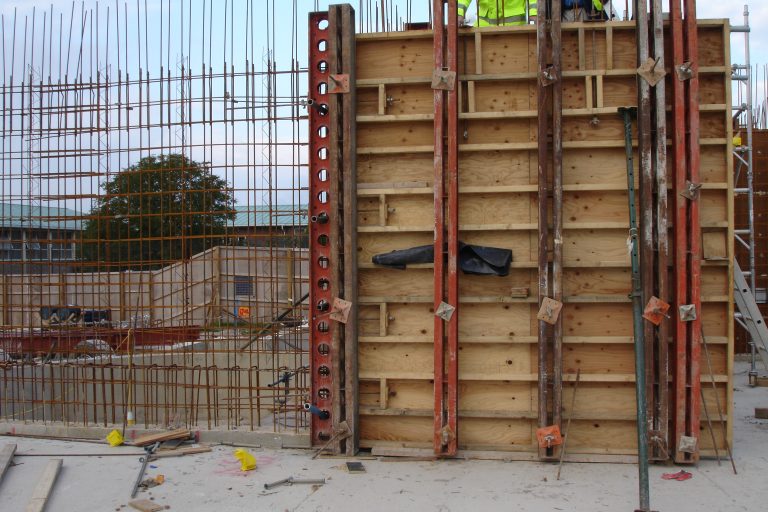
- Falsework / Formwork
- Propping / Shoring
- Lifting beams / Frames
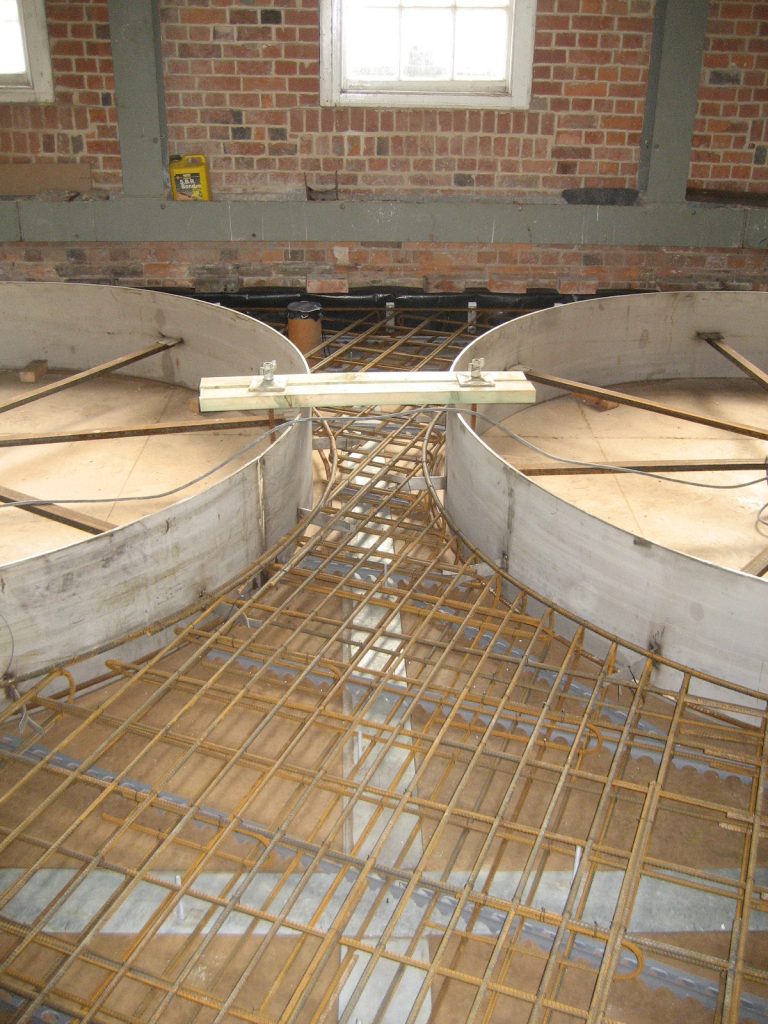
- Temporary foundations
- Temporary access ramps / bridges
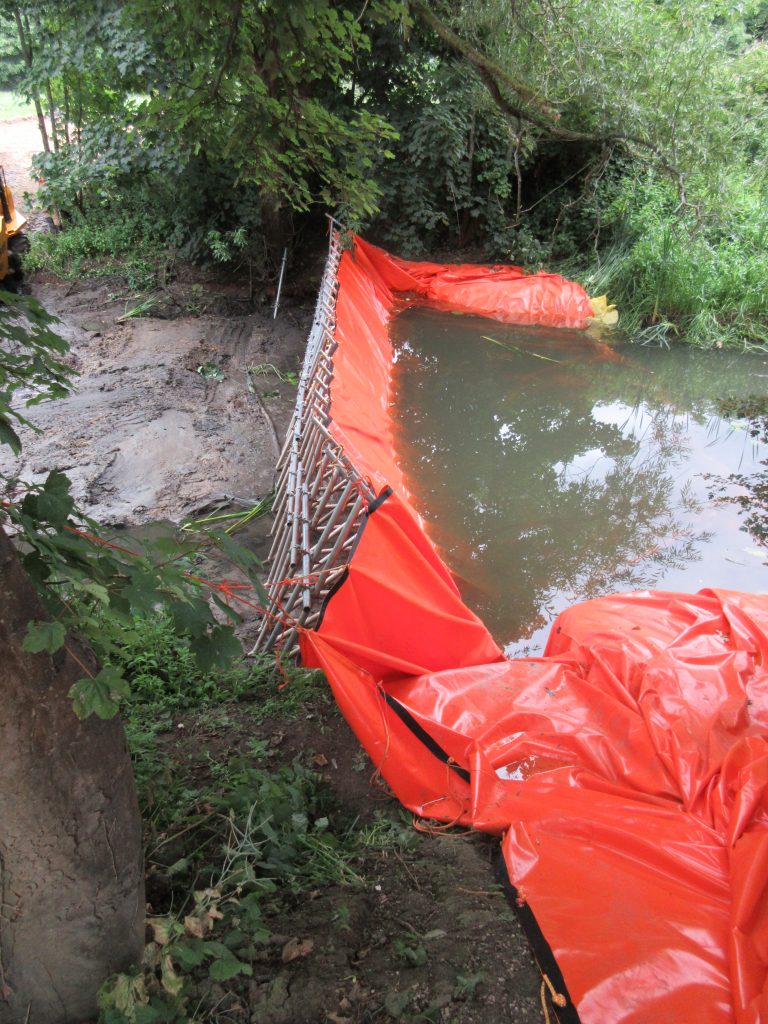
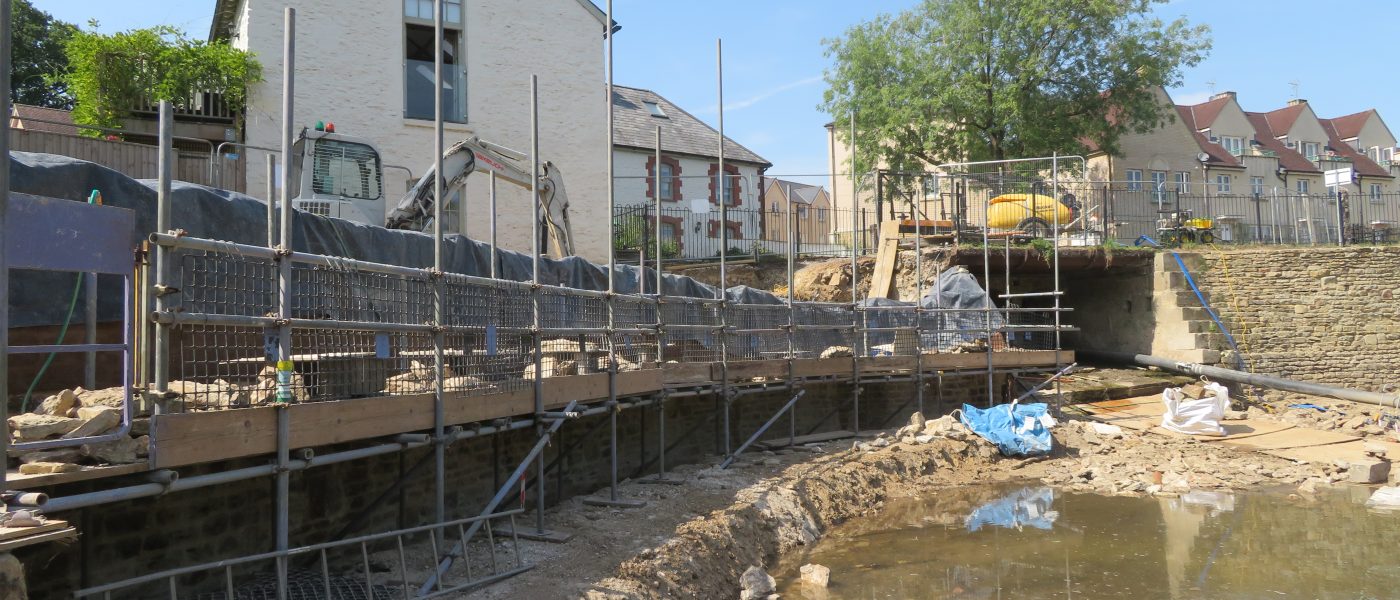
- Temporary works in watercourses
- Review of unsafe structures, i.e. fire damage, vehicle impact, etc.
- Needling / Masonry Restraint
View some of our temporary works projects here
Sustainable Urban Drainage Systems
Over many years MLDE have developed experience in the design of Sustainable Urban Drainage Systems (SUDS). Utilising natural features and site topography allows us to minimise the environmental impact of these systems and ensure they work in harmony with their surroundings maintaining pre-development (green-field) run off levels.
At Sheepdrove Biodiversity Centre, a reed bed water treatment system was adopted. Extensive Soakaway systems were also provided at St Johns School.
For the Alexandra Park development in Northumberland, it was the Client’s and Architect’s wish to create an extensive pond which formed part of a series of sensory gardens. This pond was given the dual purpose of also providing Storm Water attenuation, and was fed by a network of Swales and French Drains.
In Chippenham a new development of sports pitches required an extensive surface water management programme. The pitches were drained via a series of stepped Swales, which slowed the flow, increasing evaporation and infiltration. In extreme storm events the Swales discharged directly to an existing ditch ensuring the site’s ecology and habitats were preserved.