


Concrete is a versatile building material that has been used since antiquity, but it has become one of the leading structural materials within the modern built environment. Its potential immense compressive strength and fluid form, makes it indispensable as the demand for land pushes the townscape vertically into higher rise buildings of all types.
It is naturally fire resistant and its high thermal mass makes it energy efficient. In summer concrete absorbs heat, preventing inhabited spaces from overheating by acting as a heat sink. This stored thermal energy is then released during colder periods. Concrete is also durable and relatively cost effective. It can be cast into irregular shapes enabling visually dramatic forms and efficient use of available space within a site. However, there is one enormous caveat – it can be far from sustainable.
Concrete is generally made of three core components – a binder, water and aggregate. Cement is the most widespread binder used in concrete, with around 80% of all cement manufactured intended for concrete production, but the manufacturing of cement is responsible for around 8% of all global carbon dioxide emissions.
Water is one of the most highly demanded natural resource and a necessity for good quality concrete. Sand and gravels for aggregates, which are either quarried or dredged from seas or rivers, are also increasingly becoming harder to resource. Our modern urban environments are dependent on concrete, and currently there are few mass-produced alternatives. However, there are steps that can be taken to improve the sustainability of concrete, whilst material advancements catch up.
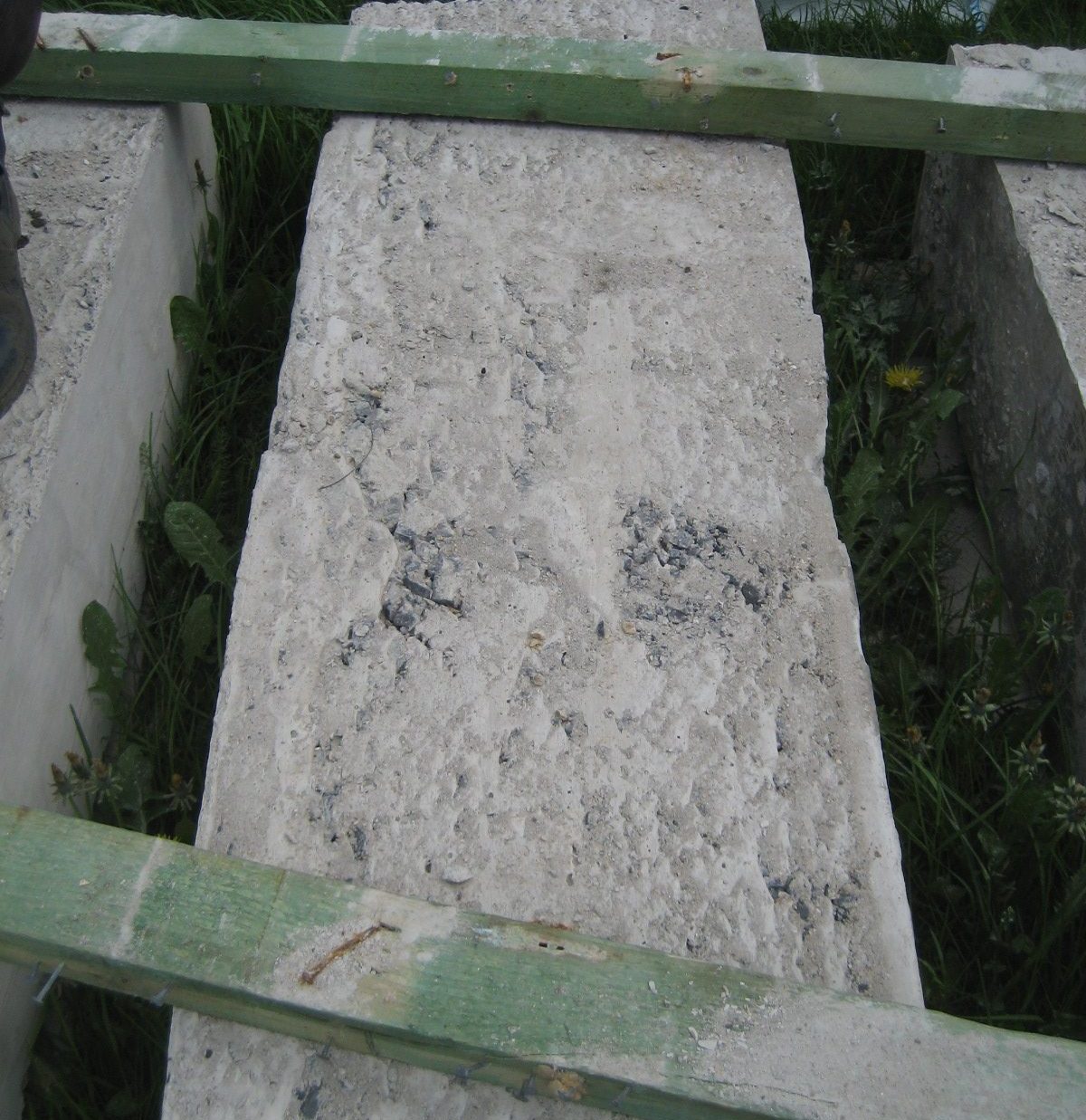
Substituting cement for an alternative binding material, such as the manufacturing byproducts blast furnace slag or fly ash, contributes to the reduction of greenhouse gases. Here at MLDE, we use zero-cement concrete. Our tested formula acquires a 30N/mm2 compressive strength in 90 days. Typical C30 concrete, which contains 300kg/m3 of cement, has the same compressive strength but acquires it in 28 days. Although our zero-cement concrete takes three times longer to acquire its comparable compressive strength, the environmental benefits are considerable and the mixture itself has enhanced durability and stability in the long term over the standard industry equivalent.
We also prohibit the use of sea-dredged aggregates, favouring those sourced by land-based quarrying, as we consider this to be less environmentally damaging overall. Extensive biodiversity regeneration schemes are a mandatory provision after the extraction phase ends, ensuring that any habitat lost with the opening of a quarry is not only restored, but surpassed. Remediated aggregate quarries have played a crucial role in conservation efforts, providing habitat corridors and safe havens for hundreds of threatened species. Contrastingly, sea-dredging destroys the sea bed, decimating epifauna such as benthic invertebrates, crustaceans and bivalves as well as spawning grounds in the process. It can take up to 15 years for marine ecology to recover once dredging at a site has finished. There are also impacts that extend well beyond the dredging site. Changes to the water depth can alter currents and wave patterns causing coastal erosion and disruption to migratory routes. Residual pollution within the sea bed may also be re-mobilized and recirculated.
Furthermore, the effects of underwater noise pollution caused by dredging vessels and the compound effect of multiple dredging sites in close proximity or in the vicinity of fish trawling routes and sea cabling are poorly understood. Unlike quarried aggregate, marine aggregate also needs further processing to rinse always the salt and contaminants that would compromise the integrity of concrete, especially reinforced concrete where steel rebars are added. Thus, the purifying process requires yet more valuable water.
Concrete is a superb structural material which has been used for several thousands of years. However, more decerning choices over constituent
materials must take place to improve the sustainability of concrete, so that it can be ethically specified for the foreseeable future.